
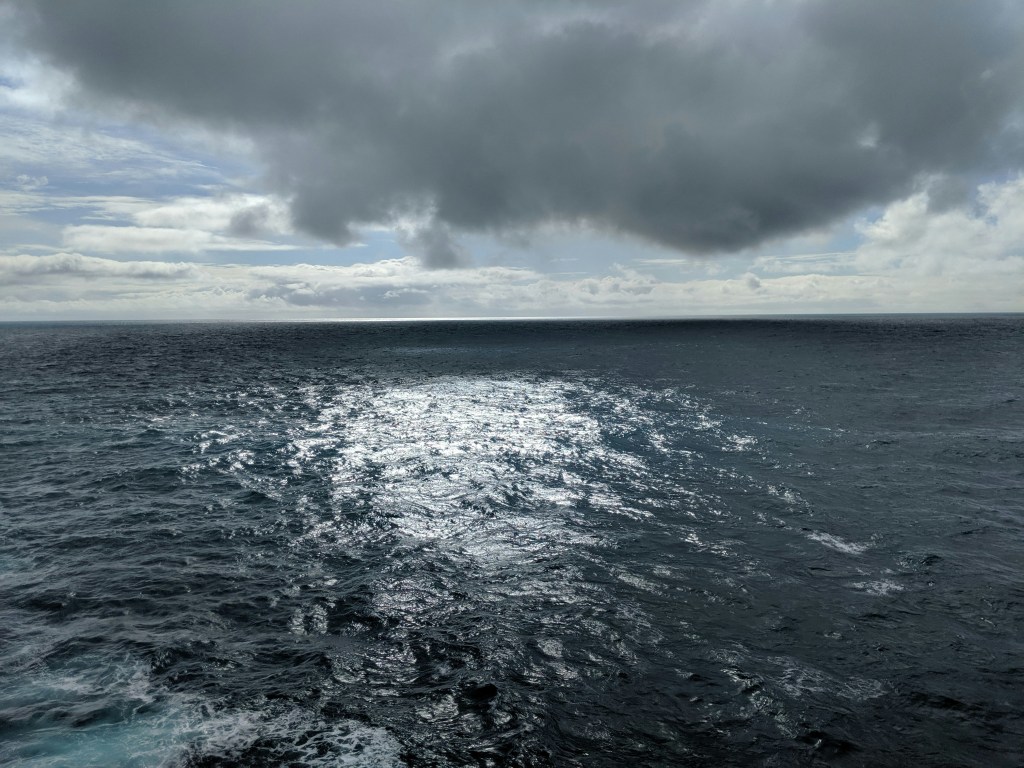
In a huge win for the open ocean, the United Kingdom has officially ratified the United Nations Agreement on Marine Biological Diversity of Areas beyond National Jurisdiction (BBNJ, or High Seas Treaty). But what does this mean?
What is the High Seas Treaty?
The High Seas Treaty is an international agreement adopted by world nations on 19th June 2023 and that officially entered force on 17th January 2026. The Treaty enables the creation of Marine Protected Areas (MPAs) in waters designated the “High Seas” – this is any part of the open ocean outside national jurisdiction, totalling two-thirds of our ocean and 64% of the Earth’s surface.
The Treaty, in short, focuses on the following actions:
- Enabling the protection of marine ecosystems through the establishment of MPAs and other area-based management tools, to conserve fragile ecosystems and biodiversity.
- Requiring nations to undertake Environmental Impact Assessments for planned activities in the high seas to minimise harm and pollution.
- Ensuring developing nations are able to receive the support needed to implement the conservation measures outlined in the Treaty.
What Is Ratification?
Ratification is the process in which a nation officially agrees to adhere to the legal conditions set out in an international agreement, and pledges their support in ensuring its implementation and enforcement.
Only once 60 nations have officially ratified a UN agreement can the treaty be put into action. This number was hit in September 2025, enabling the High Seas Treaty to move into force 120 days later, in January 2026.
The UK signing their ratification of the High Seas Treaty means the UK Government is committing to supporting the above actions the Treaty sets out, alongside the other terms detailed in the agreement.
What does this mean for the ocean?
In short, promises of better protection measures for oceanic ecosystems, marine species and the planet as a whole. However, simply signing a piece of paper to promise these actions is never enough.
The next step of the process for the United Kingdom will be to begin to implement and enforce the terms and actions agreed to in the Treaty – only once they, and other ratifying nations, begin to do so will the open ocean truly reap the benefits.
Sources:
High Seas Treaty Alliance Ratification Tracker
Featured Image by Georg Eiermann, Unsplash


Leave a Reply